
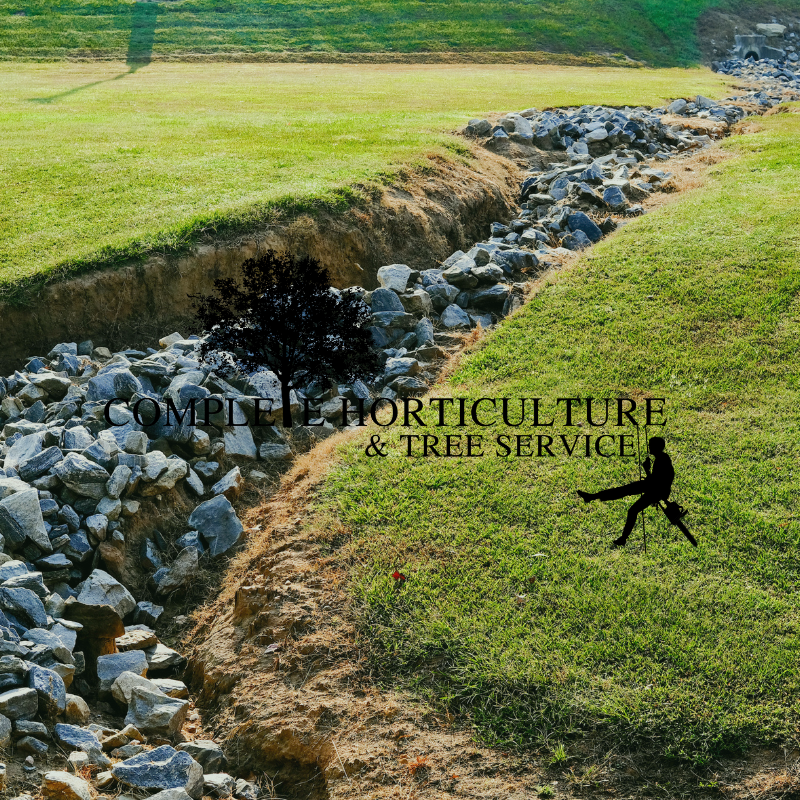
Poor drainage can wreak havoc on your property—compromising foundations, eroding soil, drowning plantings, and creating mosquito hotspots. In Canton’s rolling terrain and under frequent afternoon thunderstorms, an attractive and functional solution is a dry creek bed drainage system. In this comprehensive guide, you’ll learn:
- Why Canton yards need reliable drainage
- How dry creek beds work
- Key benefits and real-world examples
- Detailed design and material considerations
- Step-by-step installation process
- Maintenance best practices
- Cost factors and permitting
- Mini case study: A Canton homeowner’s success story
- Frequently asked questions
Why Canton, GA Yards Need Reliable Drainage
Canton’s combination of clay-heavy soils, rolling hills, and sudden summer downpours makes yard drainage a critical concern:
- Clay-rich subsoils repel water, causing puddles that suffocate grass and plants.
- Sloped properties funnel runoff toward foundations, walkways, and low spots, leading to soil erosion and hydrostatic pressure on basement walls.
- Intense storms can deliver over an inch of rain in under an hour, exceeding the absorption capacity of most lawns.
Without a dedicated solution, these conditions can translate into basement leaks, cracked driveways, and constant maintenance headaches. A dry creek bed offers an elegant alternative to unsightly trenches or buried pipes, channeling water safely while enhancing curb appeal.
How Dry Creek Beds Work
A dry creek bed mimics nature’s own stream channels. Under normal conditions, it remains dry. During rain events, it:
- Intercepts runoff from roof leaders, swales, and low-lying areas.
- Conveys water through a gently graded channel (1–3% slope is ideal).
- Disperses excess into the surrounding soil or a designated outflow point, such as an underground French drain or rain garden.
Internally, layers of washed gravel provide subsurface drainage, while river rock and boulders break the flow and prevent erosion. The result is a durable, self-draining landscape feature that looks completely natural.
Key Benefits & Real-World Examples
Installing a dry creek bed in Canton yields multiple advantages:
- Erosion Control: Rocks and strategically placed plantings stabilize slopes.
- Example: A homeowner on Hickory Ridge Rd. eliminated a six-inch deep rill by diverting runoff through a 30-foot creek bed lined with boulders.
- Foundation Protection: Channels water away from footings, reducing basement seepage and wall pressure.
- Improved Infiltration: Gravel base recharges groundwater rather than overwhelming municipal storm drains.
- Aesthetic Appeal: A winding ribbon of stone creates a focal point, blending seamlessly with plant beds, walkways, and patios.
- Low Maintenance: Seasonal leaf removal and periodic rock repositioning are typically all that’s needed.
Plus, you can tie in complementary services—finish adjacent slopes with fresh turf (sod installation timing) or add a custom fire pit to anchor the design (fire pit upgrades).
Design & Material Considerations
- Site Assessment
- Map roof downspouts, existing low spots, and natural flow paths.
- Use a string line or digital level to confirm a 1–3% grade over the creek bed length.
- Size & Shape
- Residential widths typically range from 3–6 feet.
- Depth varies from 6–12 inches; deeper channels handle higher volumes.
- Curves and bends add visual interest—avoid perfectly straight lines.
- Base Materials
- Washed gravel (¾–1¼″): Ensures good subsurface drainage.
- Landscape fabric (optional): Inhibits weeds without blocking water flow.
- Surface Materials
- River rock (2–4″ diameter): Provides a natural look and flow dispersion.
- Boulders & accent stones: Place at riffles and bends to slow water and mimic natural pooling.
- Connections
- Buried PVC or perforated pipe from downspouts can feed the creek bed invisibly.
- Outlet into a French drain system or sloped-yard swale for additional infiltration.
Step-by-Step Installation
- Excavate—Outline the path and dig to the planned depth and width, maintaining consistent slope.
- Lay Gravel Base—Compact a 3–4″ layer of washed gravel; check grade with a level.
- Install Fabric (optional)—Place permeable geotextile to suppress weeds.
- Place River Rock—Spread evenly; embed larger stones at flow-break points.
- Connect Downspouts—Use PVC or perforated pipe to feed water from gutters into the creek.
- Define Edges—Install steel or stone edging to contain rocks and create a clean border.
- Test Flow—Run water with a hose or wait for rain; adjust rocks and grade as needed.
- Add Plantings—Intersperse native, moisture-tolerant plants (switchgrass, ferns, sedges) along edges for color and stabilization.
Maintenance Best Practices
- Seasonal Debris Clearing: Remove leaves and twigs each spring and fall.
- Rock Inspection: After heavy rains, check for washouts and reposition displaced stones.
- Weed Control: Trim invasive plants; replace landscape fabric if necessary.
- Connection Checks: Ensure downspout pipes remain clear and securely joined.
With minimal upkeep, your dry creek bed will function beautifully for decades, preserving your Canton home from water damage.
Cost Factors & Permitting
- Per-foot pricing: Expect $25–$45 per linear foot, depending on materials and site complexity.
- Permit requirements: Minor yard drainage often requires no permit, but tie-ins to public storm lines may need city approval—consult the City of Canton Building Department.
- Additional features: French drains, rain gardens, or decorative plantings will increase the overall investment.
Mini Case Study: The Smith Family on Magnolia Lane
The Smiths faced chronic pooling near their driveway. After engineering a 40-foot dry creek bed with embedded boulders and a hidden French drain connection, they reported:
- Zero standing water after the next three storms.
- Improved health of lawn and border plantings.
- Increased curb appeal, with neighbors asking for referrals.
Learn more about our professional Dry Creek Bed Drainage services and get your own success story.
Frequently Asked Questions
- Q1: How long does installation take?
- Most residential installations finish in 1–3 days, depending on length and site prep.
- Q2: Will mosquitoes breed in a dry creek bed?
- No—water drains immediately into gravel layers, preventing stagnant pools and mosquito habitat.
- Q3: Can I tackle this as a DIY project?
- DIY is possible for small beds, but professional installation guarantees correct grading, durable materials, and a clean permit-compliant outcome.
- Q4: What maintenance is required?
- Seasonal leaf clearing, rock repositioning after storms, and periodic weed control—typically under one hour per quarter.
- Q5: Do I need a permit?
- Minor drainage improvements usually don’t require one. For municipal tie-ins or large-scale grading, check with the City of Canton.
- Q6: How does this differ from a French drain?
- A French drain hides perforated pipe underground; a dry creek bed is an above-ground, decorative channel that doubles as a drainage feature.
- Q7: What plants thrive alongside a creek bed?
- Native sedges, switchgrass, Christmas fern, astilbe, and other moisture-loving species soften edges and add color.
- Q8: How do I prevent sediment buildup?
- Use a settling basin or small check-dams (flat stones) to slow water and allow sediment to drop out before it reaches the main channel.
Ready to Solve Your Drainage Challenges?
If you’re in Canton, GA and ready to protect your foundation, prevent erosion, and beautify your yard, contact Complete Horticulture & Tree Service for expert Dry Creek Bed Drainage solutions. Our certified team handles design, installation, and maintenance—so you never have to worry about standing water again.
