
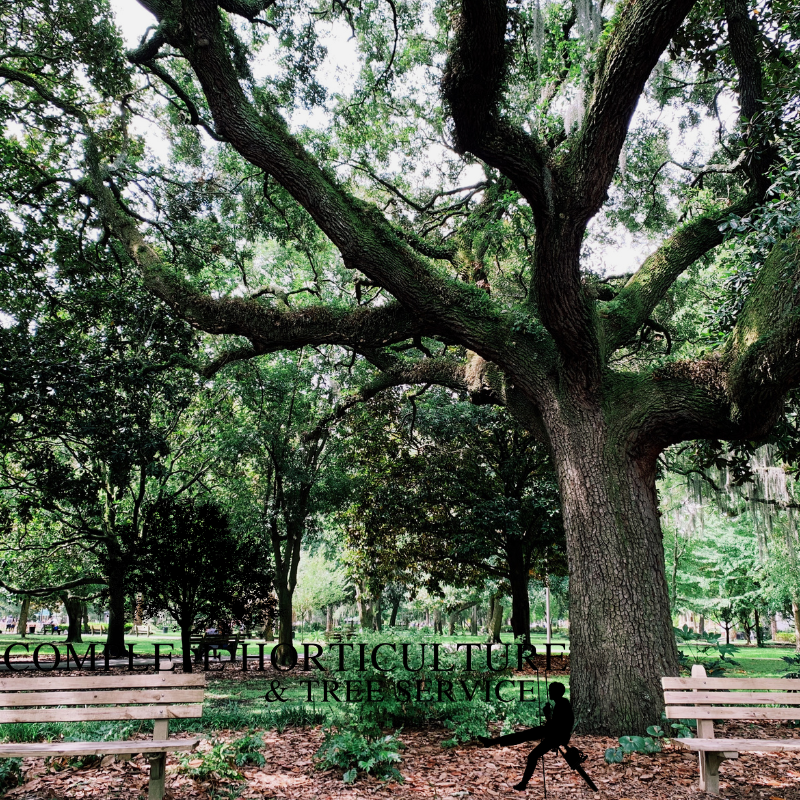
In Alpharetta’s humid subtropical climate (USDA Zone 7b), trees face unique seasonal challenges—from spring storms near Big Creek Greenway to hot, dry summers and occasional winter freezes. A proactive, year-round maintenance plan not only keeps your yard looking its best but prevents emergency removals and costly damage. This guide provides a detailed seasonal checklist—pruning, inspections, fertilization, and storm prep—so you can nurture healthy, beautiful trees throughout the year. Ready to get started? Explore our Alpharetta tree removal services and schedule your professional care.
Spring (March–May): Rejuvenation & Inspection
1. Early-Season Health Assessment
- Inspect each tree for winter damage: look for cracked bark or frost splits on oaks and maples near Milton Avenue.
- Check root flare at the base—excess mulch layering can suffocate roots and invite decay.
- Watch for emerging fungal fruiting bodies (mushrooms) indicating internal rot.
2. Pruning & Canopy Cleaning
- Remove dead, diseased, or crossing branches to improve air circulation and light penetration.
- Crown-thin dense canopies, especially on silver maples along Windward Parkway, to reduce spring wind-storm sail effect.
- Use proper ANSI A300 pruning cuts—never leave stubs or flush cuts.
3. Fertilization & Soil Conditioning
- Apply a slow-release, balanced granular fertilizer (10-10-10) within the drip line of each tree.
- Amend compacted lawns under large shade trees (e.g., live oaks at Webb Bridge Park) with compost to improve root growth.
- Test soil pH—Alpharetta soils can be acidic; aim for 6.0–7.0 for optimal nutrient uptake.
Summer (June–August): Watering & Pest Vigilance
1. Deep Watering Techniques
- Water mature trees at the drip line every 10–14 days during dry spells; apply 10–15 gallons slowly to encourage deep roots.
- Use soaker hoses or slow-release bags to minimize runoff on slopes near the Alpharetta Arboretum trails.
2. Mulch Maintenance
- Refresh a 2–3″ layer of organic mulch (wood chips) around the base, keeping mulch 3–4″ away from trunks.
- Mulch conserves moisture and suppresses weeds in flower beds under dogwoods at Wills Park.
3. Pest & Disease Monitoring
- Scout for aphid colonies on young foliage, especially on Bradford pears lining Main Street.
- Watch for lace bug damage on azaleas and hollies—treat early with horticultural oil if needed.
- Inspect for emerald ash borer signs on ash trees in residential neighborhoods.
Fall (September–November): Preparation & Cleanup
1. Post-Growing Season Pruning
- Remove crossing or rubbing limbs after leaf drop for clearer visibility of structure.
- Crown reduction on fast-growing species (poplars near Hopewell Road) to stabilize before winter winds.
2. Leaf & Debris Management
- Rake or mulch fallen leaves to prevent fungal diseases—use a mulching mower for convenience.
- Clear storm drains and gutters around your home and landscape beds.
3. Winter Storm Prep
- Secure young or newly planted trees with stakes and guy wires to protect against ice storms.
- Remove any low-hanging limbs that could accumulate snow or ice near driveways off Haynes Bridge Road.
- Consider professional stump grinding on remaining stumps to prevent trip hazards under leaf cover.
Winter (December–February): Dormant Care & Planning
1. Dormant Season Inspection
- With foliage gone, examine trunk and scaffold branches for cracks, cankers, or tight crotches.
- Schedule a low-volume assessment by a certified arborist—book early to secure a winter slot.
2. Cabling & Bracing for High-Value Trees
- Install support cables on multi-stemmed or crotch-susceptible trees near your front porch on Yale Drive.
- Braces reduce risk of split branches during spring thaw or winter winds.
3. Equipment Maintenance & Planning
- Service chainsaws, pruners, and chippers so they’re ready for spring work.
- Plan large removals for early spring—reserve slots now for the best pricing and availability.
- Review your permit requirements and HOA covenants to streamline your next project.
Frequently Asked Questions
Q: How often should I mulch around my trees?
A: Refresh mulch annually in late spring or early fall to maintain a 2–3″ depth; avoid mulching too close to trunks.
Q: Can I prune oak trees year-round?
A: Avoid pruning oaks from February through July to reduce oak wilt risk; ideal window is late fall or winter when trees are dormant.
Q: Do I need to fertilize every season?
A: Fertilize once in early spring with a balanced formula; supplemental iron or micronutrients can be applied in late summer if needed.
Q: Will regular maintenance reduce emergency removals?
A: Proactive pruning, inspections, and soil care significantly lower the chance of storm-related limb failures and root instability.
Q: How do I book a professional inspection?
Contact our Alpharetta team at Alpharetta Tree Removal Services or call (770) 429-1844 to schedule your seasonal care plan.
Conclusion & Next Steps
Implementing a year-round maintenance schedule keeps your Alpharetta trees healthy, safe, and stunning through every season. From spring pruning to winter inspections, these best practices prevent emergencies, preserve property value, and enhance curb appeal. Ready to partner with local experts? Book your seasonal tree care today or call (770) 429-1844 for a customized plan.
