
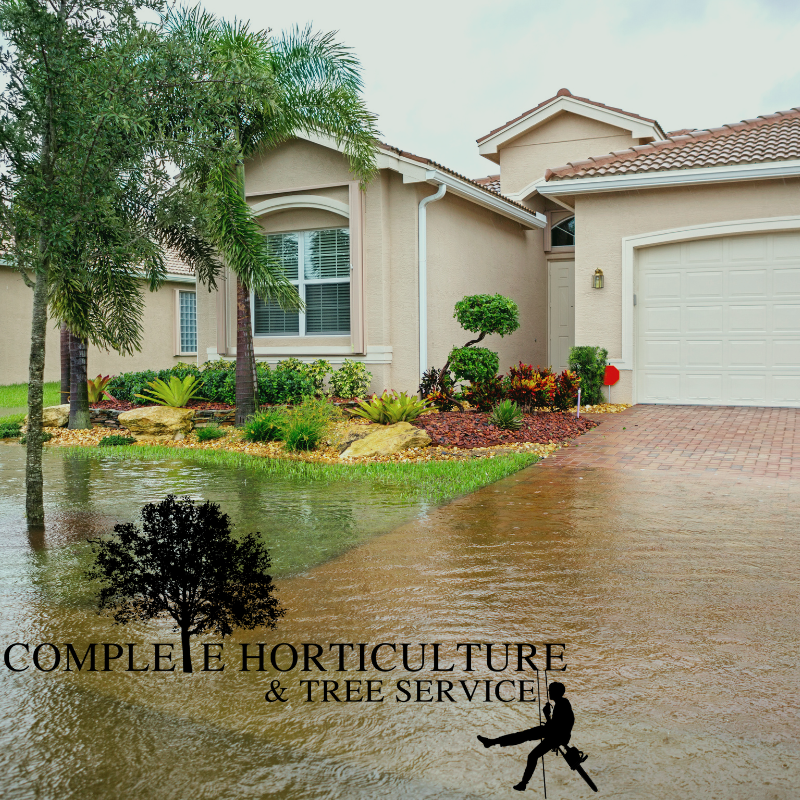
Alpharetta’s network of creeks and tributaries—Big Creek, Vickery Creek, and their feeder streams—create both lush green corridors and flood-prone zones. When heavy rains swell these waterways, the saturated soil can undermine roots, topple trees, and threaten foundations, fences, and sidewalks. In this blog post, we’ll show you how to assess flood-risk areas on your property, choose resilient species, stabilize vulnerable trees, and know when to call in professional arborists for tree removal or reinforcement.
1. Understanding Flood-Prone Zones on Your Property
Identifying which areas are most at risk is the first step:
- Historic floodplain maps: Consult Cherokee County GIS or City of Alpharetta floodplain overlays to see 100-year and 500-year flood zones.
- Soil infiltration tests: In low-lying spots near your driveway off Haynes Bridge Road, dig a small hole, fill with water, and time drainage—slow percolation (>24 hrs) indicates high saturation risk.
- Vegetation cues: Persistent wet-soil indicator plants (e.g., ferns, swamp milkweed) signal waterlogged ground where roots may struggle.
Mark these zones on a yard plan to prioritize management efforts.
2. Why Flood-Zone Trees Need Special Care
When the ground stays soggy, trees face:
- Root oxygen deprivation: Water fills pores, starving roots of air and weakening anchorage.
- Increased windthrow risk: Saturated soil reduces friction, allowing wind to uproot even healthy specimens.
- Disease susceptibility: Waterlogged roots invite rot pathogens (Phytophthora, Armillaria) that decay wood.
Proactive management in these areas reduces the chance of hazardous falls and expensive repairs—or emergency removal.
3. Types of Flood-Tolerant Tree Species
Planting the right species in wet areas provides natural defense:
- Swamp Chestnut Oak (Quercus michauxii): Deep roots and high flood tolerance—ideal for creek banks.
- Sweetbay Magnolia (Magnolia virginiana): Thrives in wet soils; fragrant blooms and moderate size.
- River Birch (Betula nigra): Fast-growing, exfoliating bark, tolerates periodic inundation.
- Bald Cypress (Taxodium distichum): Knees provide stability; excellent for permanently wet spots.
Avoid shallow-rooted species like silver maples in these zones—they’re the first to lean or uproot.
4. Stabilization Techniques for Mature Trees
For high-value or large trees already in flood areas, consider:
Cabling & Bracing
- Install flexible steel cables between major limbs to reduce sway in wind-driven storms.
- Use rigid braces on forked trunks (V-crotches) to prevent splitting under flood stress.
Soil & Mulch Management
- Aerate soil around the root zone with deep-spike aerators to improve oxygen diffusion.
- Replenish 2–3″ of wood-chip mulch (see our stump grinding guide for chip sourcing) to buffer moisture and prevent erosion.
Drainage Solutions
- Install French drains or swales to redirect excess water away from critical root zones.
- Use permeable pavers in driveways to reduce runoff into adjacent planting areas.
5. Monitoring & Maintenance Through Flood Seasons
Regular inspection is key during rainy months (March–June, September–November):
- After major storms, check for new leaners or soil uplift around tree bases.
- Inspect root flares for rot or fungus growth—early removal prevents spread.
- Prune deadwood to reduce canopy weight and sail area.
Document changes with photos and notes—this data helps professionals plan removals or reinforcements.
6. When to Call Professional Arborists
- Severe lean or partial uprooting: If a tree tilts more than 15° or roots are exposed—book emergency removal via Alpharetta Tree Removal.
- Visible root rot or fungal conks: When Phytophthora or Armillaria appear—schedule a full evaluation.
- Large trees near structures: If flooding threatens high-value oaks or pines—professionals use sectional dismantling to protect property.
7. Eco-Friendly Disposal & Recycling
When removal is necessary, opt for sustainable practices:
- On-site chipping into mulch for erosion control—learn more in our Canton eco-friendly stump grinding post.
- Salvage hardwood logs for community firewood programs or local artisans.
- Compost fine wood chips in garden beds to improve soil structure in flood-impacted lawns.
Frequently Asked Questions
Q: How do I know if my tree’s roots are waterlogged?
A: Look for yellowing leaves, fungal growth at the base, and soil that remains spongy days after rain.
Q: Can I install drainage myself?
A: Simple swales and French drains are DIY-friendly, but for large zones or near foundations, we recommend professional installation.
Q: Which native species work best on creek banks?
A: Swamp chestnut oak, river birch, and bald cypress are top choices for Alpharetta’s waterways.
Q: Is cabling safe for mature trees?
A: Yes—installed by ISA-certified arborists, cabling reduces failure risk during floods and storms.
Q: When should I plan flood-zone removals?
A: Ideally during the dry late summer window (July–August) for hard ground conditions and minimal runoff.
Conclusion & Next Steps
Flood-zone tree management in Alpharetta requires a blend of smart species selection, soil and structural care, and professional intervention when needed. Follow these steps to protect your foundation, maintain a healthy urban canopy, and minimize emergency removals. Ready for a site evaluation? Schedule your assessment today or call (770) 429-1844 for expert support.
