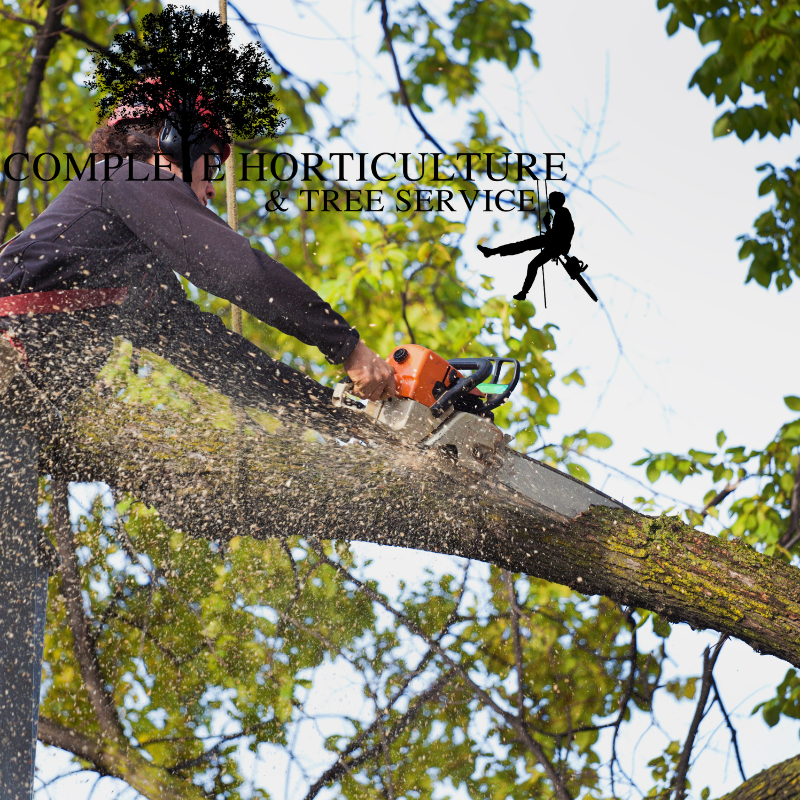
Woodstock’s spring and summer storm seasons can deliver high winds, torrential downpours, and even occasional hail—putting your trees at risk of limb failure and uprooting. Proper preparation not only protects your home, vehicles, and landscaping but can also streamline any tree removal you may need afterward. In this guide, we’ll walk you through actionable steps to assess, prune, secure, and schedule professional inspections so your yard weathers Woodstock’s storms safely and with minimal damage.
Why Pre-Storm Tree Prep Matters in Woodstock, GA
Woodstock sits in a unique transition zone—close enough to Lake Allatoona and the Etowah River to feel moisture‐laden breezes, yet just far enough inland to avoid coastal protections. That means:
- Higher wind loads: Trees with full summer foliage catch more wind, increasing stress on trunks and branches.
- Saturated soils: Rainfall can loosen root grips, making even healthy trees prone to lean or tip.
- Ice and hail potential: Spring storms sometimes bring unexpected ice or hail, adding weight and weakening limbs.
By taking preventive action before storms hit, you reduce emergency callouts, avoid costly repairs, and keep your property—and neighbors—safe.
1. Assess Your Trees Early
Start by walking your property and looking for warning signs:
Check for Cracks and Decay
- Look for mushrooms or conks at the base—signs of internal rot.
- Inspect for trunk splits (“frost cracks”), especially on mature oaks around Woodstock Square.
Evaluate Canopy Structure
- Identify crossing or rubbing branches that can weaken over time.
- Spot narrow “V” crotches where two trunks meet—common failure points in elms and maples.
Assess Root Stability
- Look for exposed or uplifted roots after heavy rains along Olde Rope Mill Park trails.
- Watch for soil heaving near trunks—an early sign of root failure.
2. Create Safe Drop Zones
Even planned pruning or removal requires a clear drop zone. Follow these steps:
Clear Vehicles & Valuables
- Move cars, boats, and garden furniture out of range of falling branches.
- Protect playsets, air conditioning units, and exterior lighting fixtures.
Establish Exclusion Areas
- Use flags or cones to mark work perimeters—especially near driveways off Towne Lake Parkway.
- Warn neighbors and post temporary “Work in Progress” signs if branch zones cross property lines.
3. Prune & Trim Before the Storms Arrive
Targeted pruning reduces sail effect and removes hazards before they become emergencies.
Crown Thinning
Thin out interior branches to allow wind to pass through the canopy. This reduces force on the trunk and main limbs.
Crown Reduction
Lower the overall height of vulnerable trees—particularly silver maples along Freemanville Road—to reduce lever arm stress in high winds.
Remove Deadwood & Weak Forks
- Cut away dead or hanging limbs identified during your assessment.
- Eliminate weak branch unions to prevent dangerous splits.
4. Secure Loose Branches & Debris
Wind can dislodge loose debris, turning small sticks into projectiles. Take these measures:
Collect & Chip Fallen Branches
Regularly sweep and chip debris into mulch—use it around beds or store for post-storm cleanup.
Tie Back Overextended Limbs
- Use arborist-grade rope to secure large limbs back toward the trunk.
- A temporary tie can prevent a half-broken branch from snapping off in the next gust.
5. Schedule a Professional Inspection
Even a thorough DIY check can miss hidden issues. A certified arborist brings expertise, equipment, and safety protocols:
What to Expect
- Detailed health report: Diagnosis of diseases, pests, and structural concerns.
- Risk assessment: Prioritization of trees needing immediate care or emergency removal.
- Permit guidance: Advice on local Woodstock or Cherokee County requirements for major pruning or removal.
- Written action plan: A phased schedule for trimming, removal, and follow-up inspections.
Interlink to Canton Pillar
Our Canton Tree Removal Guide explains the full removal process—including stump grinding—if removal becomes necessary after your inspection.
6. DIY Prep vs. Professional Services
Simple maintenance like gutter clearing and small limb chipping is DIY-friendly, but for large-scale pruning or removals, professionals ensure safety and compliance.
When to DIY
- Removing small branches under 2 inches in diameter.
- Bagging and disposing of leaf litter and small twigs.
When to Call the Pros
- Working over roofs, decks, or vehicles.
- Pruning large limbs above 15 feet high.
- Emergency situations identified in our Warning Signs Guide.
7. Permitting & HOA Considerations
Woodstock’s Historic District and many HOA covenants have trimming and removal rules:
- Historic District: Approval required for any tree over 24 inches in diameter within the downtown square.
- HOAs: Some require bids from multiple certified arborists before removal approval.
- Cherokee County: Agricultural exemptions may apply for large rural lots near Towne Lake.
Frequently Asked Questions
Q: When is the ideal time to prune before storm season?
A: Late winter to early spring—before full leaf-out—offers the best balance of visibility and tree health.
Q: Do I need a permit to trim trees in Woodstock?
A: Minor pruning usually doesn’t require permits, but large cuts or removals might. Check with Woodstock City Hall or your HOA.
Q: Can I rent a chipper for debris clean-up?
A: Yes—for small limbs and general yard waste. For heavy branches or large volumes, professional chipping is safer and more efficient.
Q: How do I know if a branch tie is safe?
A: Use static arborist rope rated for tree rigging, and never tie more than 2–3 inches from the trunk to avoid bark damage.
Q: Will pruning reduce the risk of emergency removal?
A: Regular pruning lowers wind load and removes hazards, significantly reducing—but not eliminating—the chance of emergency situations.
Conclusion & Next Steps
Storm preparation for your Woodstock yard isn’t just about cutting branches—it’s about proactive assessment, strategic pruning, and professional partnerships. By following these steps, you’ll minimize emergency removals, protect your property, and enjoy a healthier landscape year-round. Ready to schedule your pre-storm inspection or professional pruning? Contact us today or call (770) 429-1844.
