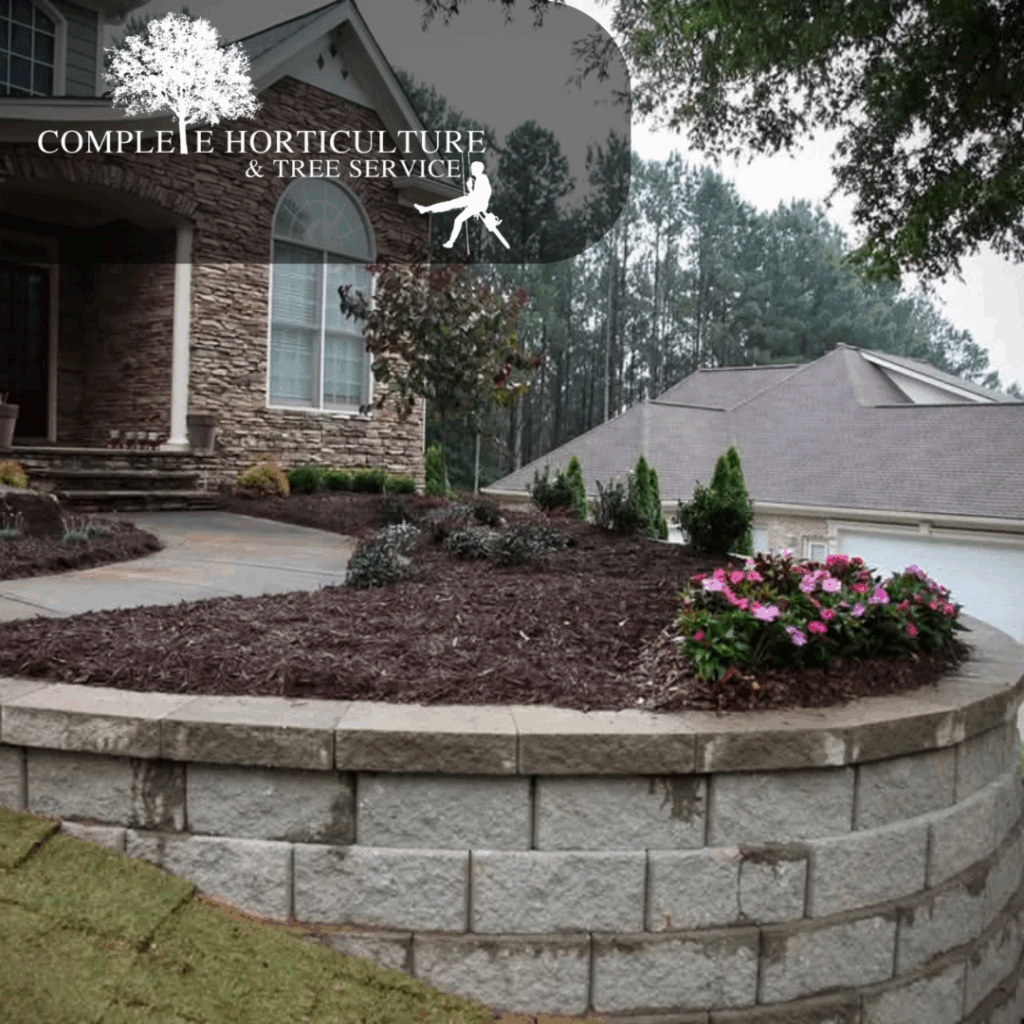
If you are a homeowner searching for the top ways to reinforce retaining walls in Canton, GA, you are in the right place. Retaining walls do more than hold soil; they protect your landscape from erosion, manage water flow, and add beauty and structure to your outdoor space. However, over time, even the strongest walls can weaken due to pressure from soil, poor drainage, or natural wear. Knowing how to strengthen and maintain them ensures your yard stays both safe and visually appealing.
At Complete Horticulture, we help Canton homeowners design, build, and reinforce retaining walls that stand the test of time. Whether your wall is showing early signs of strain or needs a full rebuild, here’s what you should know to protect your investment.
Understanding Why Retaining Walls Fail
Before we discuss how to reinforce them, it’s important to understand what causes retaining walls to lose stability. In most cases, the problem starts with drainage. When water accumulates behind a wall with no escape route, the hydrostatic pressure increases dramatically. This added weight can cause the wall to push outward or form cracks.
Common causes of wall failure include:
- Poor drainage design or clogged pipes
- Weak foundations or improper footing
- Excessive soil pressure from sloped yards
- Poor-quality materials or construction
- Tree roots growing too close to the wall
When these issues aren’t addressed, they can quickly lead to bowing, cracking, or collapsing walls. Fortunately, most of these problems can be solved or prevented with proper maintenance and professional reinforcement.
1. Add Proper Drainage Systems
The most effective way to reinforce retaining walls is by managing water flow. Without good drainage, pressure builds up behind the wall, leading to bulging and cracks.
Installing a French drain system or weep holes allows water to escape rather than collect. French drains use perforated pipes surrounded by gravel to redirect water away from the structure. This prevents water buildup and reduces long-term stress on the wall.
In Canton’s red clay soil, water often drains slowly, making these systems even more essential. Our drainage specialists can assess your yard and recommend the best solution to protect your retaining walls from water damage.
2. Strengthen the Wall Foundation
A weak or shallow foundation is one of the leading reasons retaining walls start to tilt or crack. Reinforcing the base helps redistribute the load evenly, giving the wall more stability.
This may involve excavating beneath the existing structure and adding compacted gravel or concrete footings. For taller or heavily loaded walls, geogrid materials can be installed within the soil layers to provide additional structural support.
If your wall shows signs of leaning or sinking, our landscaping and grading experts in Canton, GA, can inspect the foundation and provide professional recommendations to prevent the issue from worsening.
3. Install Tiebacks or Anchors
Tiebacks, also known as soil anchors, are steel rods or cables inserted into the ground behind the wall. They attach to anchor plates and hold the wall firmly in place. This technique is particularly useful for older retaining walls that are starting to bow or lean outward.
The installation process involves drilling into the wall, inserting the anchors, and tightening them to pull the wall back into alignment. This method strengthens the structure without requiring a full rebuild.
For long-term reinforcement, combining tiebacks with a proper drainage solution ensures your retaining wall stays secure through every season.
4. Regrade the Surrounding Landscape
Sometimes, the problem isn’t the wall itself but the slope behind it. Steep slopes put constant pressure on retaining walls, especially during rainfall. By adjusting the grade of the landscape, you can significantly reduce stress on the wall.
Our team at Complete Horticulture offers professional grading and erosion control services that reshape your property for better water flow. Grading ensures runoff moves away from the wall and into safe drainage channels, protecting both your yard and your home’s foundation.
Regrading also improves lawn appearance and prevents erosion across other areas of your landscape.
5. Use Geogrid Reinforcement
Geogrid reinforcement involves installing a mesh-like material between layers of soil and wall blocks. This grid creates a strong bond between the wall and the soil, preventing separation and collapse.
This method is especially effective for tall retaining walls or those supporting heavy loads. It’s a long-lasting, low-maintenance solution that adds internal strength to the wall system.
Our landscape installation team in Canton, GA, regularly incorporates geogrid reinforcement into new retaining wall builds and renovation projects for maximum durability.
6. Replace Damaged Materials Early
Cracks, loose stones, and deteriorated mortar joints are signs your retaining wall may need attention. Reinforcing a partially damaged wall early is far more cost-effective than rebuilding a collapsed one.
Routine inspections can help identify these weak points before they spread. If you notice visible damage, contact Complete Horticulture for an on-site evaluation. Our experts will determine whether simple repairs or a structural reinforcement plan is needed.
Timely repairs not only extend the life of your wall but also maintain your property’s curb appeal.
7. Add Drainage Outlets or Weep Holes
If your existing retaining wall doesn’t already have weep holes, adding them can make a significant difference. Weep holes allow trapped water to escape, relieving pressure from behind the wall.
These outlets should be spaced evenly and designed to prevent clogging. When combined with French drains and erosion control systems, they provide a complete water management solution for your property.
For new retaining walls, our design team ensures all drainage elements are integrated from the start, preventing future issues.
8. Schedule Routine Inspections and Maintenance
Even the strongest retaining walls require occasional maintenance. Over time, soil shifts, weather changes, and plant roots can impact wall stability.
Schedule annual inspections with Complete Horticulture’s landscaping professionals to assess your wall’s condition. Our team checks for cracks, leaning sections, clogged drains, and early signs of erosion. Regular maintenance saves you from unexpected repair costs and ensures long-term safety.
If you experience heavy rain or flooding, a post-storm inspection can help catch hidden damage early. You can learn more about these services on our storm cleanup page.
Protecting Your Retaining Wall for the Future
The best way to prevent costly retaining wall repairs is to address small problems before they escalate. Reinforcement not only protects your structure but also safeguards your home and landscape from erosion and water damage.
If you are unsure about your wall’s condition, reach out to Complete Horticulture for a professional inspection. We specialize in retaining wall reinforcement, drainage design, and landscape solutions across Canton and Woodstock, GA.
Our experienced team is dedicated to building outdoor spaces that are as functional as they are beautiful. Contact us today to schedule a consultation and discover how our experts can help strengthen your property’s foundation for years to come.
