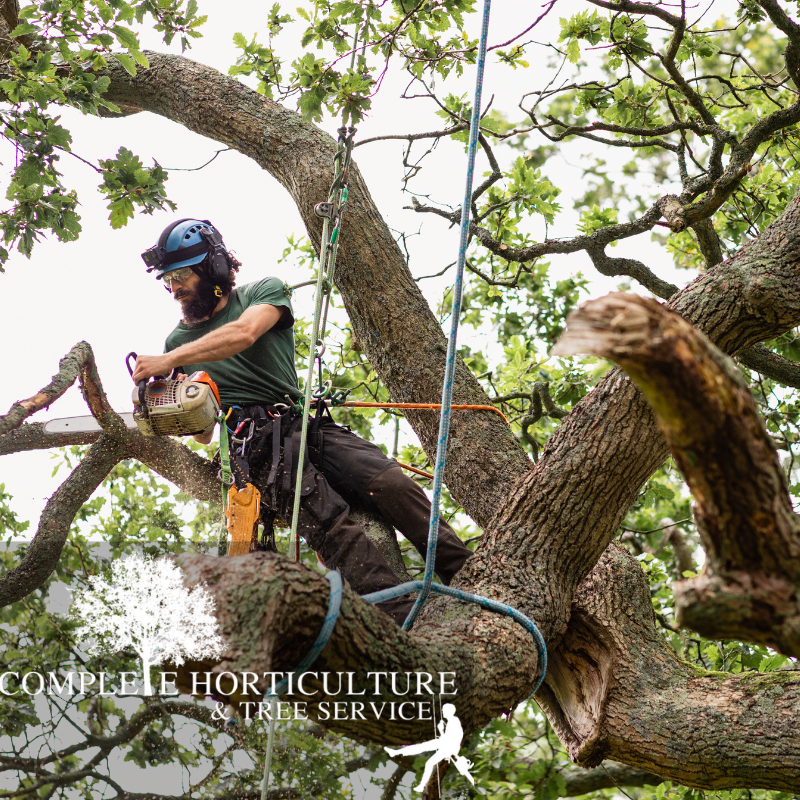
When it comes to maintaining a healthy, beautiful landscape in Canton, GA, knowing whether your tree needs a simple trim or a full removal can save you time, money, and headache. Tree trimming—also known as pruning—focuses on improving structure, safety, and aesthetics. Tree removal eliminates dying, hazardous, or unwanted specimens entirely. In this comprehensive guide, we’ll break down the differences between tree trimming and tree removal, explore the factors that should guide your decision, and explain how our certified arborists deliver each service safely and efficiently.
What Is Tree Trimming (Pruning)?
Tree trimming, or pruning, is the selective removal of branches and limbs to promote health, safety, and appearance. It’s often performed on live trees to:
- Improve structure: Remove crossing or rubbing branches to reduce stress and risk of breakage.
- Enhance health: Cut away dead, diseased, or insect-infested limbs to prevent spread of pathogens.
- Manage size & shape: Thin the canopy or reduce crown height to maintain clearances from buildings, power lines, or walkways.
- Promote fruit production: In edible species, strategic pruning can increase light penetration and yield.
Common Pruning Techniques
- Crown thinning: Remove smaller interior branches to allow light and air to circulate.
- Crown reduction: Shorten overall canopy size to reduce wind resistance and risk of storm damage.
- Crown cleaning: Eliminate deadwood and weak forks for safety.
- Vista pruning: Selectively clear lower branches to open sightlines or pathways.
What Is Tree Removal?
Tree removal is the complete takedown of a tree’s trunk and canopy, followed by stump grinding or excavation. Removal is necessary when a tree is:
- Dead or dying: Extensive decay or pest infestation beyond pruning repair.
- Structurally compromised: Severe trunk cracks, root failure, or leaners that threaten collapse.
- Invasive or unwanted: Species crowding out native plants or interfering with construction plans.
- Obstructing utilities: Contacting power lines or blocking critical sightlines.
After felling the tree section by section using ropes, cranes, or bucket trucks, we offer optional stump grinding—learn more in our Stump Grinding Guide.
Key Differences: Trimming vs. Removal
Scope of Work
Trimming: Focuses on branch removal and canopy management only.
Removal: Entire tree is dismantled, often followed by stump grinding or full root removal.
Cost & Time
Trimming: Generally less labor-intensive and completed in a few hours for medium-size trees.
Removal: Requires heavier equipment, longer setup, and may span a full day or more.
Permitting & Regulations
In Canton, GA you may need a permit for both major pruning and removal:
– Emergency removals of hazardous trees can override permit windows—see our Emergency vs. Scheduled Removal post.
– Scheduled removals require applications for trees above certain diameters—learn more in our Permit Requirements Guide.
When to Choose Tree Trimming
- Health maintenance: Remove deadwood or disease before it spreads.
- Shape & clearance: Maintain a tidy silhouette and keep branches away from roofs or power lines.
- Enhancing growth: Stimulate new healthy shoots and improve air flow.
- Cost-effective upkeep: Regular trims prolong a tree’s lifespan and reduce risk of costly emergency removals.
For seasonal pruning tips, check out our Seasonal Timing Guide.
When to Choose Tree Removal
- Irreparable damage: Extensive trunk rot or pest infestation.
- Safety hazards: Leaners, cracked trunks, or roots undermining structures.
- Landscape redesign: Removing unwanted specimens to make way for new plantings or construction.
- Utility conflicts: Trees growing into power lines or blocking critical sightlines.
In emergencies, our 24/7 Emergency Tree Removal team is just a call away.
How We Deliver Both Services Safely
- Certified arborists: ISA-certified crews trained in ANSI A300 pruning standards.
- Advanced equipment: Bucket trucks, cranes, and precision rigging for high-risk removals.
- Comprehensive cleanup: Chipping, hauling, and optional stump grinding for a pristine finish.
- Clear communication: Photos, scope docs, and post-job reports so you know exactly what to expect.
Frequently Asked Questions
Q: Can I prune a tree on a tight budget instead of removing it?
A: If the tree is structurally sound and free of serious decay, a targeted trim can extend its life affordably.
Q: How often should I have my trees professionally trimmed?
A: Most healthy shade trees benefit from a pruning cycle every 3–5 years. High-value or storm-prone specimens may need annual inspections.
Q: Will pruning my oak trees reduce fall leaf drop?
A: Pruning won’t stop leaves from falling, but crown thinning can improve airflow and reduce the volume of debris collecting on patios.
Q: How do I know if a tree needs removal rather than trimming?
A: Look for deep trunk splits, root decay, or a pronounced lean. When in doubt, schedule a same-day assessment with our tree removal specialists.
Q: Do you offer combined trimming + removal packages?
A: Yes—bundling services often saves on mobilization fees. Ask us about our tree care packages when you call.
Conclusion & Next Steps
Whether you need a precise tree trimming service to maintain shape and health, or full tree removal to eliminate hazards, Complete Horticulture & Tree Service has the expertise and equipment to get it done right. Ready for a free consultation? Contact us today or call (770) 429-1844.
