If you have ever tried planting in Georgia, you know the challenge that comes with its heavy red clay soil. Learning how to choose the right plants for Georgia’s clay soil can make the difference between a thriving landscape and constant frustration. Clay soil is nutrient-rich but dense, which means it holds moisture and can suffocate roots if not managed properly. The key is selecting plants that not only tolerate these conditions but actually grow better because of them.
AtComplete Horticulture, we help homeowners across Canton and Woodstock, GA, transform tough clay yards into healthy, low-maintenance landscapes. With the right plant selection, soil preparation, and maintenance plan, you can have a beautiful yard that thrives year-round. Here’s everything you need to know about choosing the right plants for Georgia’s clay soil.
Understanding Georgia’s Clay Soil
Before diving into plant choices, it’s important to understand the soil you’re working with. Georgia’s clay is packed with minerals but has very small particles, which means it retains water and drains slowly. When dry, it becomes compact and hard like a brick. When wet, it can turn slippery and waterlogged. This unique soil can be both a blessing and a challenge. On one hand, clay holds nutrients that support plant growth. On the other hand, it can restrict oxygen and make it difficult for delicate roots to spread. The secret to success lies in working with the soil instead of against it. Ourlandscaping experts in Canton, GA, specialize in soil testing, aeration, and preparation to improve drainage while keeping nutrients intact. A few small adjustments before planting can make a major difference.How to Prepare Clay Soil for Planting
Plant success starts with good soil preparation. If you’re wondering how to choose the right plants for Georgia’s clay soil, part of the answer lies in improving the soil before you ever plant.- Loosen the Soil: Break up compacted clay with a shovel or tiller to allow roots to penetrate deeper.
- Add Organic Matter: Mix compost, leaf mulch, or pine bark into the top layer to improve aeration and drainage.
- Avoid Overwatering: Clay soil already retains moisture, so water less frequently but more deeply.
- Elevate Plant Beds: Raised garden beds or mounded soil help excess water drain away.
Top Plant Categories That Thrive in Georgia’s Clay Soil
The good news is that many plants naturally adapt to clay soil conditions. The key is selecting species with strong root systems and high tolerance for occasional standing water.1. Trees for Clay Soil
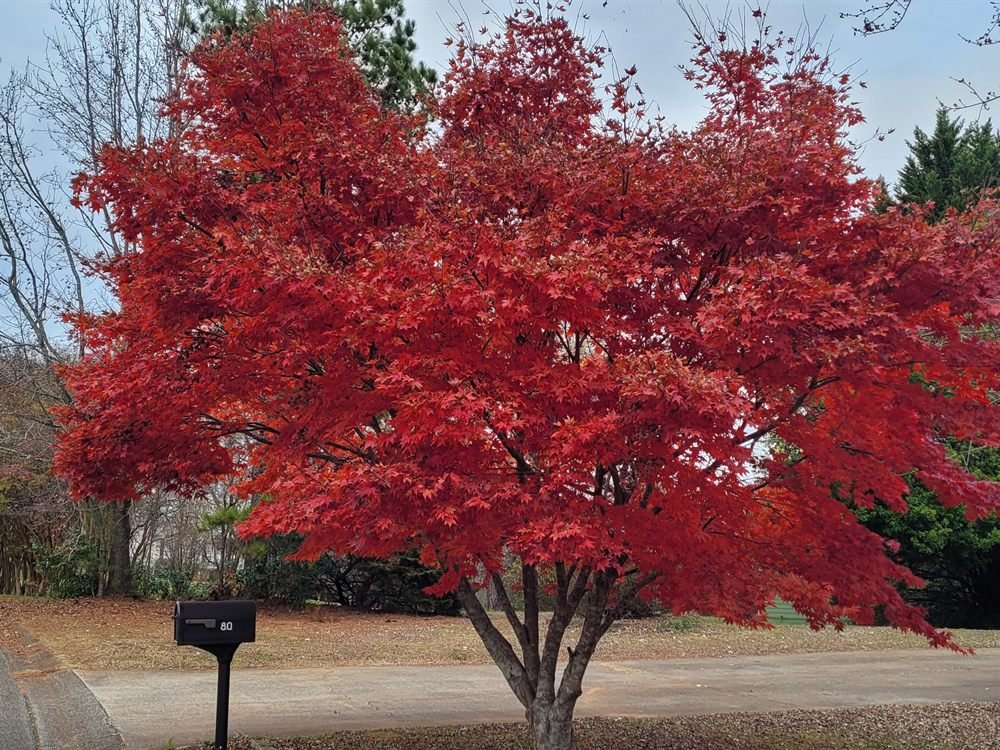
Trees are the backbone of any Georgia landscape. Choose varieties with deep or spreading root systems that can anchor well in dense soil.- Red Maple (Acer rubrum) - Excellent fall color and naturally suited to wet clay.
- River Birch (Betula nigra) - Thrives in moisture-rich conditions.
- Southern Magnolia (Magnolia grandiflora) - A Georgia classic that loves heavy soil.
- Bald Cypress (Taxodium distichum) - Ideal for low-lying, damp areas.
2. Shrubs That Love Clay Soil
Shrubs add structure and greenery throughout the year. Many Georgia natives are perfectly adapted to clay soil.- Hydrangea (Hydrangea macrophylla) - Great for shaded areas and moisture-heavy soil.
- Azalea (Rhododendron spp.) - Performs well when planted slightly above grade with mulch.
- Virginia Sweetspire (Itea virginica) - A native shrub that thrives in clay and provides seasonal color.
- Nandina (Heavenly Bamboo) - A hardy, low-maintenance shrub with vibrant red foliage in winter.
3. Perennials and Flowers for Clay Soil
Colorful perennials bring life to your garden, even in heavy clay soil. Choose hardy flowers that can handle moisture and compact roots.- Black-Eyed Susan (Rudbeckia hirta) - Tolerates clay and full sun.
- Coneflower (Echinacea purpurea) - Excellent drought resistance once established.
- Daylily (Hemerocallis) - Nearly indestructible and thrives in most Georgia soils.
- Coreopsis (Coreopsis lanceolata) - A native wildflower that handles poor drainage with ease.
4. Groundcovers for Erosion Control
Clay soil can erode easily on slopes, but groundcovers provide a natural barrier against runoff. They also prevent weed growth and retain moisture.- Creeping Juniper (Juniperus horizontalis) - Perfect for sunny slopes.
- Asiatic Jasmine (Trachelospermum asiaticum) - Dense and fast-growing.
- Liriope (Liriope muscari) - Commonly known as monkey grass, thrives in a range of conditions.
- Pachysandra (Pachysandra terminalis) - Works well in shaded areas.
5. Ornamental Grasses and Accent Plants
Grasses not only add movement and texture but also thrive in heavy soils once established.- Switchgrass (Panicum virgatum) - A native Georgia grass perfect for clay soil.
- Muhly Grass (Muhlenbergia capillaris) - Offers pink blooms and tolerates both wet and dry conditions.
- Fountain Grass (Pennisetum alopecuroides) - Great for borders and mass planting.
Tips for Successful Planting in Clay Soil
Once you’ve chosen your plants, proper planting and care will help them thrive long-term. Here are some proven strategies our professionals use for local landscapes.1. Avoid Working the Soil When It’s Wet
Wet clay compacts easily, which prevents air and water from moving through. Wait until the soil is moist but not sticky before digging or tilling.2. Use Raised Beds or Berms
In problem areas, raised beds allow you to control soil composition and drainage. Mixing native clay with composted material creates the perfect growing medium.3. Mulch Generously
Mulch helps regulate moisture and prevents the top layer of soil from hardening. It also encourages earthworms to move in, improving natural aeration.4. Test Soil pH Regularly
Georgia clay tends to be slightly acidic. Most plants prefer a pH between 6.0 and 6.5. Adjust with lime or sulfur as needed.5. Choose Native Plants Whenever Possible
Native plants are already adapted to local conditions and require less maintenance. They’re more likely to thrive in the region’s clay-heavy soil and climate. For expert planting and maintenance, contact ourlandscape professionals in Canton, GA for a free consultation.How Complete Horticulture Can Help
Transforming clay soil into a lush, balanced landscape takes the right knowledge and tools. At Complete Horticulture, our team provides everything from soil testing to plant installation, ensuring long-term success for your garden. We offer:- Landscaping design and installation
- Drainage and erosion control solutions
- Tree and plant installation
- Storm cleanup and grading services
- Ongoing maintenance and care