
Outdoor living
Outdoor lighting for North Georgia homes
The difference between a yard that goes dark at sunset and one you actually use at night. Low-voltage LED path, accent, architectural and security lighting, designed so steps and slopes are safe, the house looks its best, and the space stays inviting long after dinner.
Quick answer
Landscape and outdoor lighting in Canton, GA is a low-voltage LED system, path, uplighting, architectural and security fixtures wired back to a transformer on timed or dusk-to-dawn zones, that extends the hours you can use your yard and keeps steps and slopes safe after dark. On North Georgia's hilly lots the safety on steps alone earns its keep. The craft isn't the fixtures; it's the placement, the aim and the brightness, so the effect feels natural instead of like a floodlit parking lot.
What does good landscape lighting actually do?
Three jobs at once. Landscape lighting keeps people safe on paths, steps and slopes; it extends the hours you can enjoy the yard from a few daylight ones into the whole evening; and it makes the house and plantings look their best from the street and from inside looking out. Done well, you never see the fixtures, only the pools of warm light they lay down.
We install low-voltage LED systems, the standard for residential landscape lighting. They sip power, run cool, last for years, and are safe to work around in wet ground. The craft isn't in the parts, it's in the placement: where a fixture goes, how it's aimed, and how bright it is, so the effect feels natural instead of like a parking lot.
What's included
Layers of light, not floodlights.
Path & walkway lighting
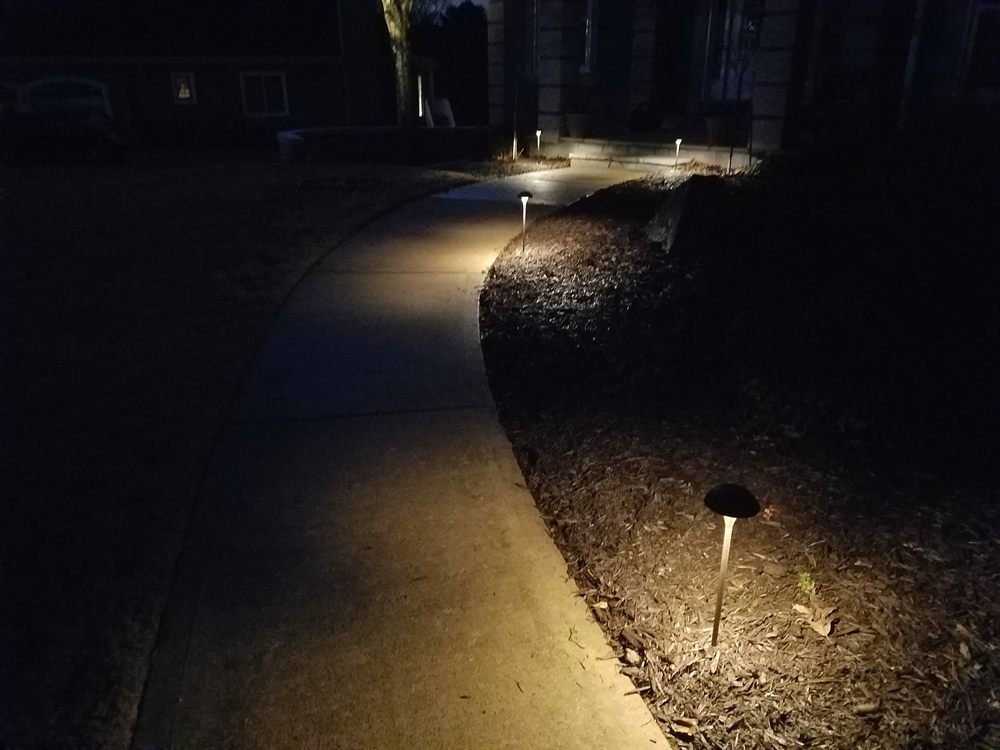
Gentle, evenly spaced light along walks and drives so no one guesses where the edge is.
Step & slope safety lighting
Discreet fixtures on steps, walls and grade changes, the ones our sloped North Georgia lots demand.
Accent & uplighting
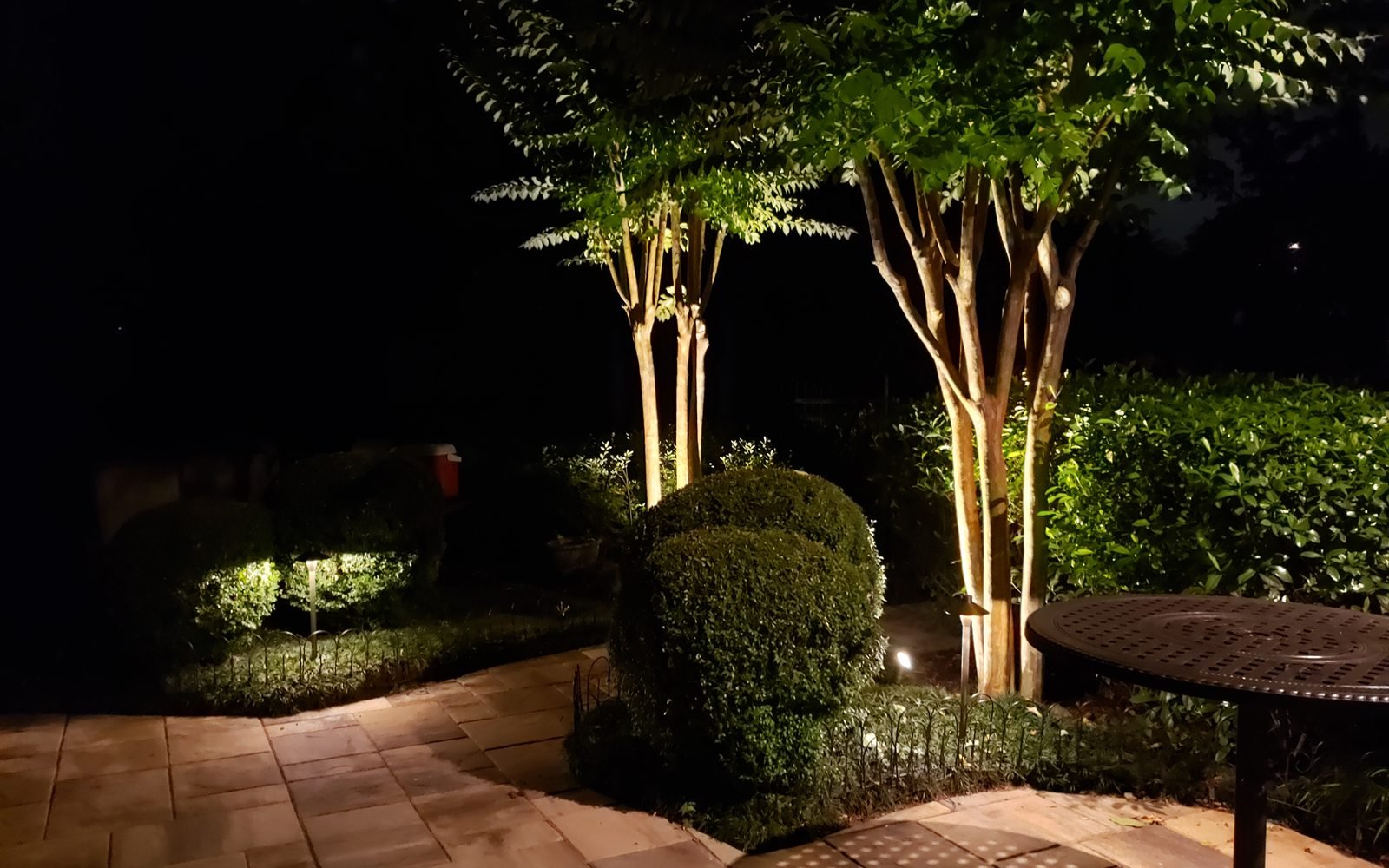
Uplighting for specimen trees and moonlighting from above, depth and drama in the planting.
Architectural lighting
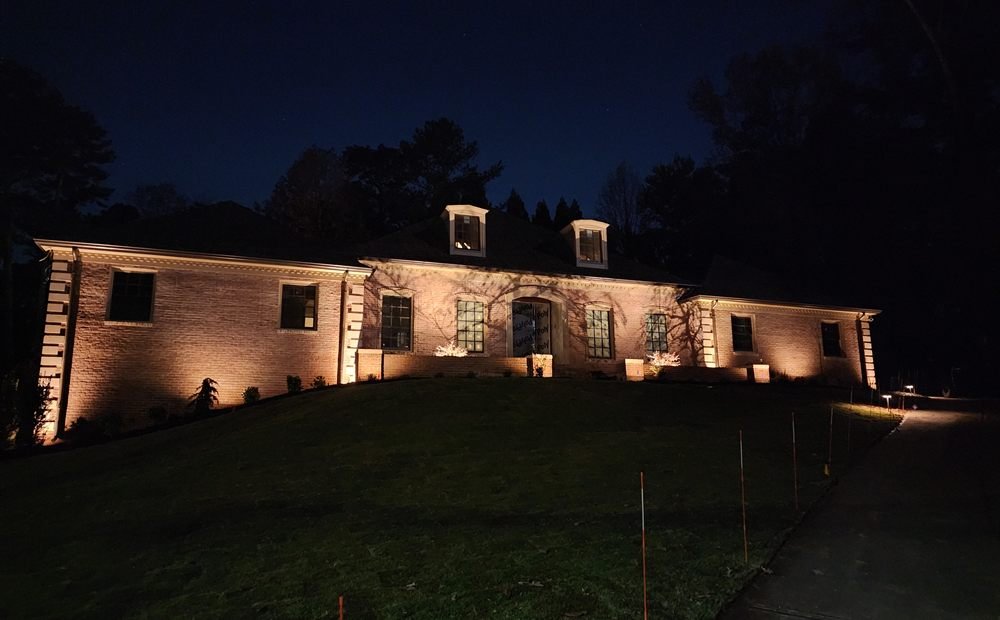
Grazing and washing that show off stonework, columns and the lines of the house itself.
Security lighting
Considered coverage of entries and dark corners for safety, without lighting up the neighbors.
Low-voltage LED systems
Efficient LED fixtures, buried runs and transformers with timers or dusk-to-dawn control.
The horticultural difference
Lighting that plans for how the plants will grow.
Most lighting installers aim a fixture at the shrub in front of them today. We aim it at the plant it will become. A young river birch or a three-gallon holly will double in size; if the fixture and its buried wire aren't placed with that growth in mind, the effect disappears into the foliage or the cable gets in the way of the roots within a couple of seasons.
Because we know the plants and often designed the beds ourselves, we set fixtures where they'll still make sense at maturity, keep runs clear of future root zones, and light the trees that will actually carry the scene, not just the ones that are tall this year.
See landscape design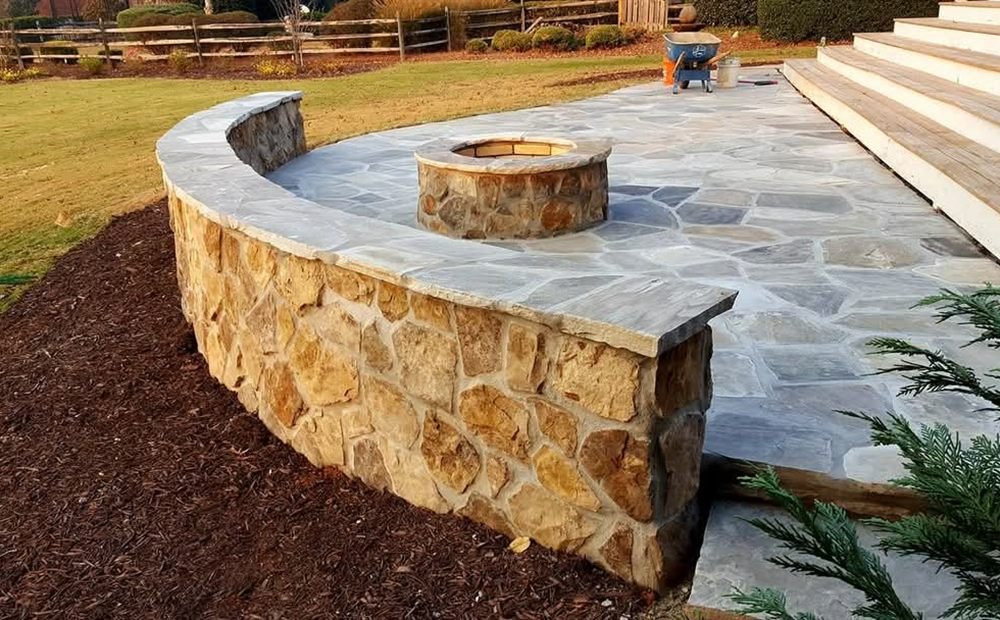
How we light a property
From dark yard to lit landscape.
Evening walk
We look at the property after dark to find the safety needs and the best features to light.
Design & quote
A lighting plan by layer and fixture, with a clear written quote.
Install
Fixtures set, low-voltage runs buried and the transformer wired with clean control.
Night aim
We return after dark to fine-tune every aim so the whole scene reads right.
Built for North Georgia
Slopes, clay and canopy at night.
Our terrain makes lighting matter more, not less. Sloped lots mean steps and grade changes that are genuinely hazardous in the dark. Heavy clay and mature tree canopy shape where wire can run and what's worth uplighting. We install for those conditions so the system stays safe and effective for years.
- Step and slope lighting placed where our hilly lots actually need it
- Wire runs routed to avoid clay compaction and future tree roots
- Warm color temperatures that flatter native pines, oaks and stone
- Fixtures and connections rated for wet ground and hot summers
Which lighting techniques suit your property?
A good plan layers a few techniques rather than blasting one floodlight across the yard. Each does a different job, safety, drama or curb appeal, and we mix them so the scene reads naturally. The main techniques:
- Path & walkway lighting, low, evenly spaced fixtures that wash the edges of walks and drives so no one guesses where the pavement ends. Function first; also defines the geometry of the garden at night.
- Step & slope safety lighting, discreet fixtures on steps, walls and grade changes. On sloped North Georgia lots this is the single most valuable layer, it turns a hazard in the dark into a sure-footed climb.
- Uplighting & moonlighting, fixtures at the base of specimen trees aiming up, or mounted high in a canopy to cast a soft, dappled "moonlight" down. Adds the most drama and depth to a wooded lot.
- Architectural grazing & washing, light skimmed across stone, columns and the face of the house to reveal texture and lift curb appeal from the street.
- Security & entry lighting, considered coverage of entries and dark corners for safety and deterrence, without floodlighting the neighbors or washing out the softer scene.
Lighting is at its best planned alongside the beds and hardscape, see how it fits into a full landscape design or a hardscape and outdoor-living project.
How does a low-voltage system work, transformers and zones?
A low-voltage system steps household 120-volt power down to a safe 12 volts at a transformer mounted near an outdoor outlet. From there, buried cable runs out to the fixtures, often split into zones, for example path and safety lighting on one circuit and accent uplighting on another, so different areas can switch on independently, on a timer or a dusk-to-dawn photocell. Sizing the transformer to the fixture load, keeping runs short enough to avoid voltage drop, and using weatherproof connections rated for wet ground are what make an install last in North Georgia's heat and clay.
What drives the cost of a lighting system?
There's no flat price, a few safety fixtures on a walk is a modest project, while a full-property scene with uplighting, architectural and security zones is a larger investment. What moves the number:
- Number of fixtures & zones, the biggest driver; more lights and more independent circuits raise both parts and labor.
- Fixture quality, cast brass and copper fixtures cost more than aluminum but hold up far longer outdoors.
- Wire runs & property size, long distances from the transformer and large lots mean more cable and trenching.
- Digging conditions, burying cable through heavy clay, roots or under existing hardscape adds labor.
- Controls, basic timers vs. smart, app- or zone-controlled transformers.
Because it scales so cleanly, lighting is easy to phase, start with the safety fixtures on steps and paths, then add accent zones later without redoing the base system.
Selected work
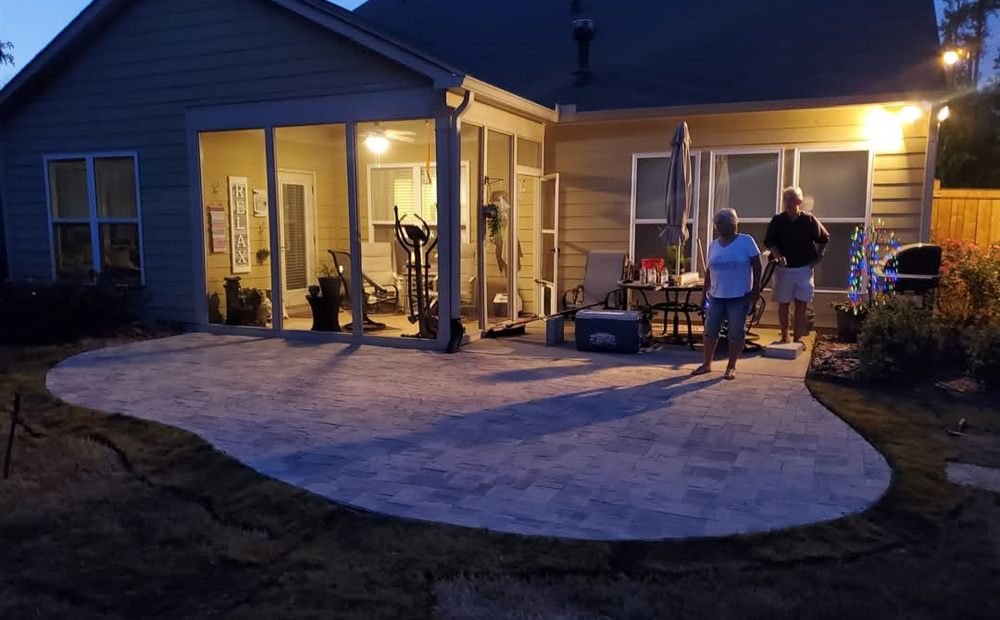
After dark.
Outdoor lighting FAQ
Questions homeowners ask.
Is low-voltage LED lighting worth it over line-voltage?
For residential landscapes, yes. Low-voltage LED systems use a fraction of the power, run cool, last for years and are far safer to work around in wet ground. They're the standard for a reason, and the light quality is excellent when the fixtures are placed and aimed well.
Can lighting make my steps and slopes safer?
That's one of the biggest reasons to install it here. North Georgia lots are sloped, and steps and grade changes are genuinely hazardous in the dark. We place discreet fixtures on steps, walls and paths so people can see exactly where their feet are going.
Will the lighting still look right as my plants grow?
We plan for it. Because we know how plants grow in Zone 7b, we set fixtures and runs where they'll still make sense at mature size, and we light the trees that will carry the scene long-term rather than just the tallest thing today.
How much does landscape lighting cost?
It depends mostly on the number of fixtures and zones, the fixture quality, and how far cable has to run through our heavy clay. A handful of safety lights on a walk is a modest project; a full-property scene with uplighting, architectural and security zones is a larger investment. Because the system scales cleanly, many homeowners phase it, safety lighting first, accent zones later. We provide a written quote after an evening walk of the property.
Do LED landscape lights add much to my power bill?
Very little. Low-voltage LED fixtures draw only a few watts each, so even a sizeable system uses a fraction of the power of old halogen lighting, and a dusk-to-dawn or timer control means they only run when you want them. The efficiency is a big part of why LED is the residential standard, the running cost is minor compared with the safety and enjoyment it adds.
Which areas do you install lighting in?
We install across North Georgia and Metro Atlanta, including Canton, Woodstock, Alpharetta and the upscale North Fulton area, Milton and more. See our full service area.